- Celebrating 12 Years

Ending Child Marriage
- 62289.65
-
A gender sensitive and responsive environment enabled at local level.
LIFE Nepal implemented the “Ending Child Marriage Initiative,” which played a significant role in advancing several of the United Nations’ Sustainable Development Goals (SDGs). These goals include SDG 1: No Poverty, SDG 2: Zero Hunger, SDG 3: Good Health and Well-being, SDG 4: Quality Education, SDG 5: Gender Equality, SDG 8: Decent Work and Economic Growth, SDG 10: Reduced Inequality, and SDG 16: Peace, Justice, and Strong Institutions.
Access
Lorem ipsum dolor sit amet, consectetur adipiscing elit. Ut elit tellus, luctus nec ullamcorper mattis, pulvinar dapibus leo. Suspendisse at magna suscipit, facilisis mauris et, ullamcorper elit. Nam efficitur ante quis porta interdum. Phasellus sed porta elit.
Challenges
Lorem ipsum dolor sit amet, consectetur adipiscing elit. Ut elit tellus, luctus nec ullamcorper mattis, pulvinar dapibus leo. Suspendisse at magna suscipit, facilisis mauris et, ullamcorper elit. Nam efficitur ante quis porta interdum. Phasellus sed porta elit.
- Lorem ipsum dolor sit amet, consec
- Nam efficitur ante quis porta interdum
- Suspendisse at magna suscipit
- Lorem ipsum dolor sit amet, consec
- Lorem ipsum dolor sit amet, consec
- Nam efficitur ante quis porta interdum
- Suspendisse at magna suscipit
- Lorem ipsum dolor sit amet, consec
Major Achievements
– The prevalence of child marriage declined to 21% in 2026, down from 22% in 2025 and 2024, 24% in 2023, 30% in 2021, 37% in 2020, and 50% in 2019, showing a sustained reduction in child marriage in the project areas.
– Although child marriage remains more prevalent among girls, its proportion decreased significantly to 64% in 2026 compared to 69% in 2025, 75% in 2024, 79% in 2023, and 93% in 2021, indicating notable progress toward gender equality and girls’ empowerment.
– The enrollment of 157 girls in +2, Bachelor’s, Diploma, and other higher education opportunities within the project area reflects continued promotion of girls’ education and retention.
– A total of 16 child marriages were successfully prevented during the reporting period, while 79 suspected child marriage cases were referred by Girls Champions, Child Marriage Early Warning Girls’ and Boys’ Networks, schools, community structures, and local stakeholders to Judicial Committees, Women and Children Service Centers, local governments, and other protection mechanisms for response and follow-up.
– A total of 240 adolescents (120 girls and 120 boys) were mobilized through 8 Girls’ and 8 Boys’ Child Marriage Early Warning Networks, and all groups implemented their planned child marriage prevention and awareness activities.
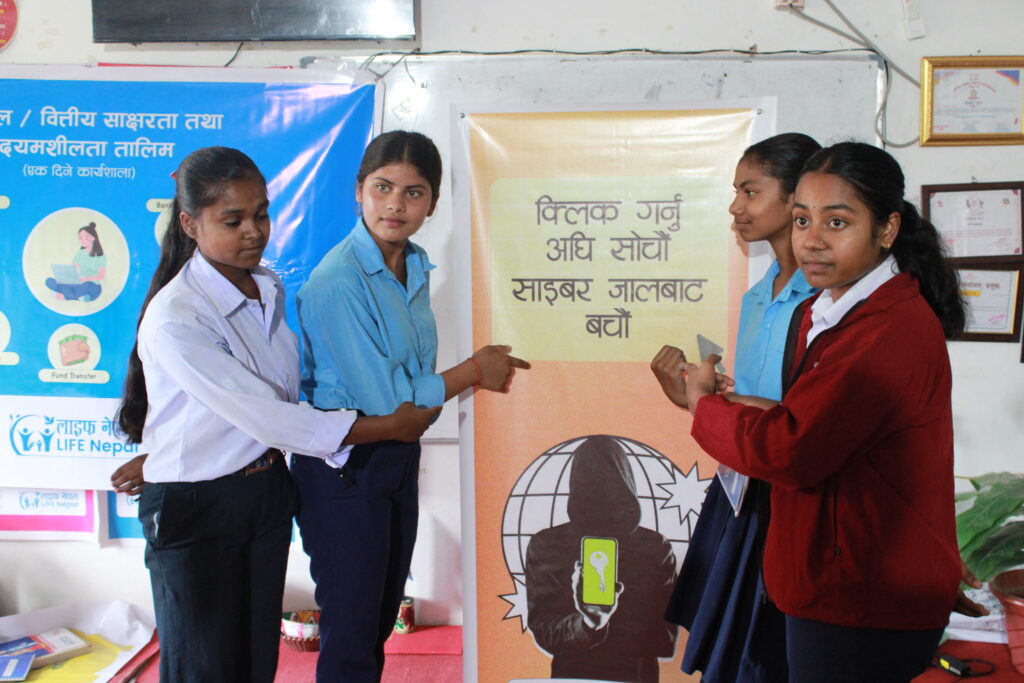
– 43 adolescent girls participated in digital literacy, financial literacy, entrepreneurship, and leadership development training, enhancing their knowledge, confidence, and employability skills.
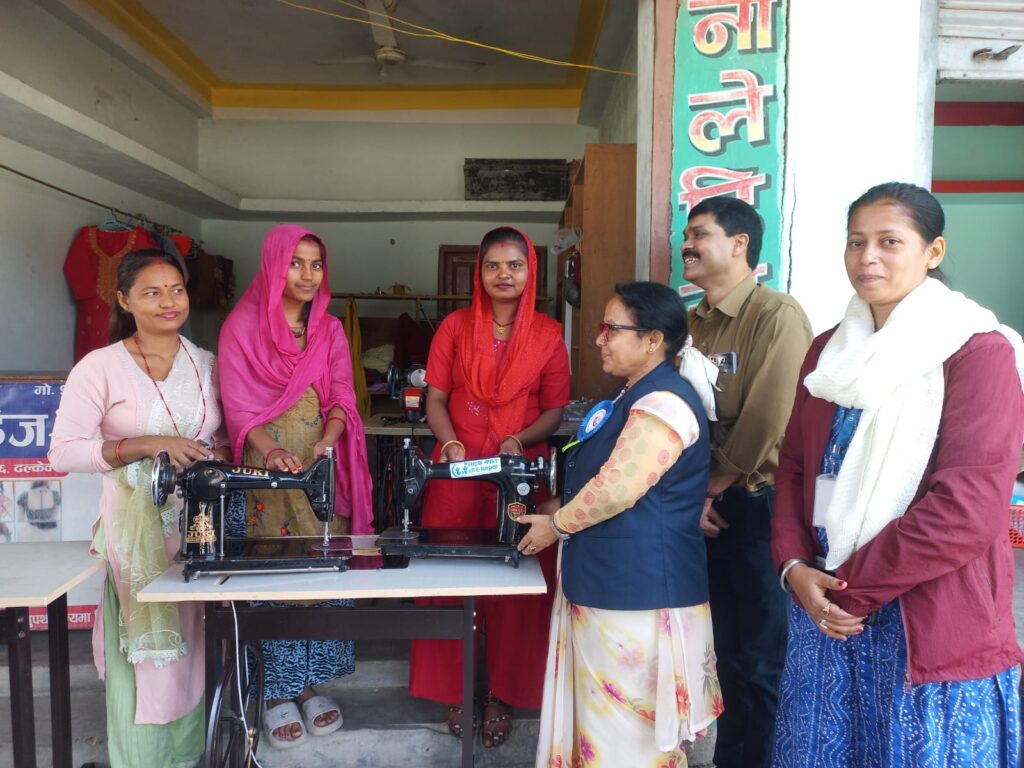
– 20 vulnerable adolescent girls and young women received vocational skills and livelihood support, including tailoring, computer training, bridge courses, entrepreneurship support, and Public Service Commission preparation courses to strengthen economic independence.
– 28 adolescent girls were supported with climate-resilient livelihood initiatives, including kitchen gardening, vegetable seed distribution, micro-enterprise promotion, and related entrepreneurship activities.
– The project reached 1,228 girls and 304 boys through various empowerment, education, leadership, awareness, and protection interventions, including marginalized and vulnerable groups.
– A total of 328 parents and caregivers participated in RUPANTARAN life skills and awareness sessions focusing on child marriage prevention, gender equality, adolescent development, positive parenting, and girls’ education.
– Trained Boys’ Network members and community volunteers facilitated community-based awareness and dialogue sessions that strengthened parental understanding of the harmful effects of child marriage and the importance of supporting girls’ education.
– 800 community members and stakeholders participated in Kachahari dramas and community awareness events organized in coordination with girls’ clubs, boys’ networks, youth clubs, and cultural groups to address child marriage and harmful social norms.
– Four Palika-Level Child Marriage Early Warning Committees were formed and mobilized in Janakpurdham, Mithila, Laxminiya, and Kshireshwarnath municipalities to identify, report, and prevent child marriage cases and strengthen local accountability mechanisms.
– 600 community members, adolescents, parents, and stakeholders participated in celebrations of International Day of the Girl Child, 16 Days of Activism against Gender-Based Violence, International Women’s Day, and Day Against Child Marriage, promoting collective action against child marriage.
– 6,000 students were reached through school-based awareness campaigns, anti-child marriage pledges, rallies, and educational activities conducted in collaboration with schools, teachers, and child clubs.
– 78 religious leaders, printing press operators, caterers, party palace owners, and other influential community stakeholders were engaged through intergenerational dialogues to discourage child marriage and promote socially responsible marriage practices.
– 86 local government representatives and provincial stakeholders were engaged through consultations, dialogues, review meetings, and advocacy initiatives to strengthen local ownership, policy implementation, and investment in child marriage prevention and girls’ education.
– The Girls REACH Center continued to serve as an innovative platform for adolescent girls by providing opportunities for learning, digital literacy, leadership development, entrepreneurship, creativity, and access to information and support services.
– Increased community awareness, stronger referral mechanisms, active engagement of local governments, religious leaders, schools, and youth networks contributed to a more enabling environment for delaying marriage and promoting girls’ education and empowerment.
Good Practices
Good Practice 1: Girls Champion Approach for Community-Led Child Marriage Prevention
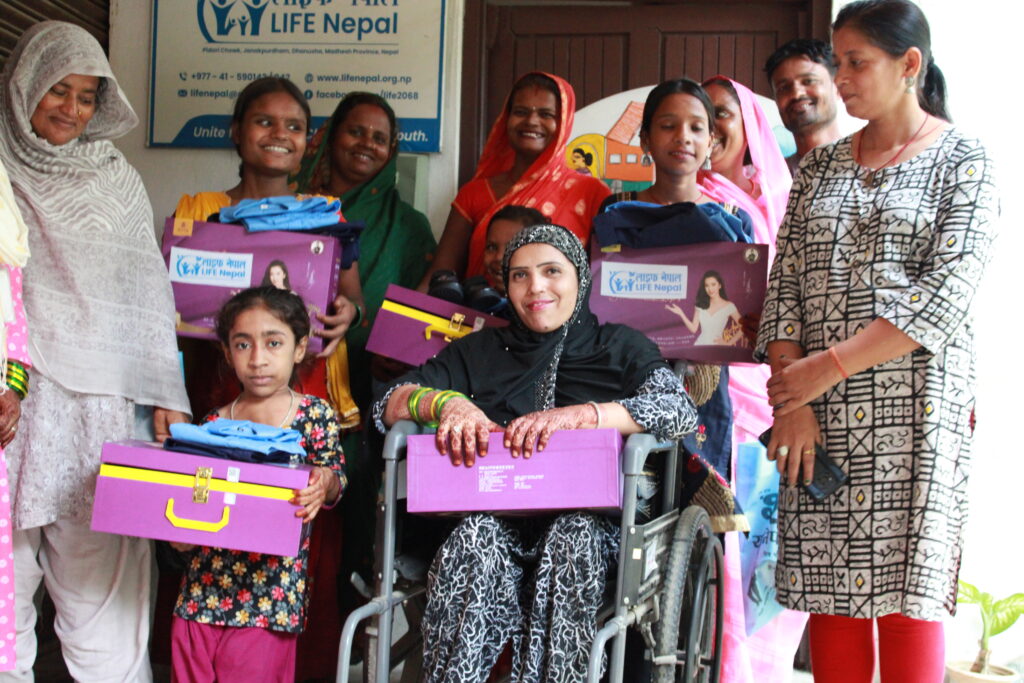
The Girls Champion model has emerged as a highly effective practice for preventing child marriage and promoting girls’ education. Adolescent girls and young women who have overcome social barriers are empowered as peer leaders to conduct awareness sessions, mentor vulnerable girls, identify risks of child marriage, and facilitate referrals to appropriate support mechanisms. Their close connection with communities enables them to build trust and influence families more effectively than external actors. The experiences of Punam Sada, a former child marriage survivor turned Girls Champion, and Shobha Chaudhary, a licensed teacher and Girls Champion, demonstrate how empowered young women can inspire peers, influence parents, and become advocates for girls’ rights and education.
Good Practice 2: Linking Education, Skills Development and Livelihood Opportunities
Combining education support with vocational skills training and livelihood opportunities has proven effective in reducing girls’ vulnerability to child marriage. Through bridge courses, Loksewa preparation, Mithila painting training, digital learning, and entrepreneurship support, girls gain confidence, economic opportunities, and greater control over life decisions. For example, Manisha Mandal transformed her passion for Mithila painting into a sustainable source of income while continuing her bachelor’s education, and Jyoti Kumari Sada is pursuing higher education and preparing for government service examinations with project support. These interventions demonstrate that economic empowerment creates strong incentives for families to invest in girls’ education rather than early marriage.
Good Practice 3: RUPANTARAN Life Skills Education for Building Agency and Aspirations
The RUPANTARAN life skills approach has been particularly effective in building self-confidence, leadership, decision-making capacity, and future aspirations among adolescent girls. Through structured sessions on dreams, communication, rights, gender equality, and life planning, girls develop the confidence to challenge harmful social norms and pursue their goals. The case of Chandani Kumari, who overcame repeated academic failure and successfully continued her education after receiving mentoring and academic support through the project, illustrates the importance of combining life skills education with individual guidance. This approach has strengthened girls’ resilience and their ability to advocate for education and delayed marriage.
Project Area:
Eight Palikas i.e., Janakpur sub-metropolitan city, Dhanushadham, Mithila, Kshireshwarnath, Sabaila, Mithila Bihari, Sahid Nagar, Laxminiya of Dhanusha district in Madhesh Province, Nepal
Target Group
The programme has targeted youth, adolescent girls, young women, religious leaders, teachers, and local governments.
Programme Duration:
From May 2019 to June 2026
Related Programs
Inclusive Livelihoods and Economic Empowerment (AASHA)-P00685
September 27, 2026
No Comments
Champions for Change (C4C)
September 27, 2026
No Comments
Become An Volunteer For Save People
To drop us a line and keep in touch Contact LIFE Nepal team.