- Celebrating 12 Years

Ending Child Marriage
- 62289.65
-
A gender sensitive and responsive environment enabled at local level.
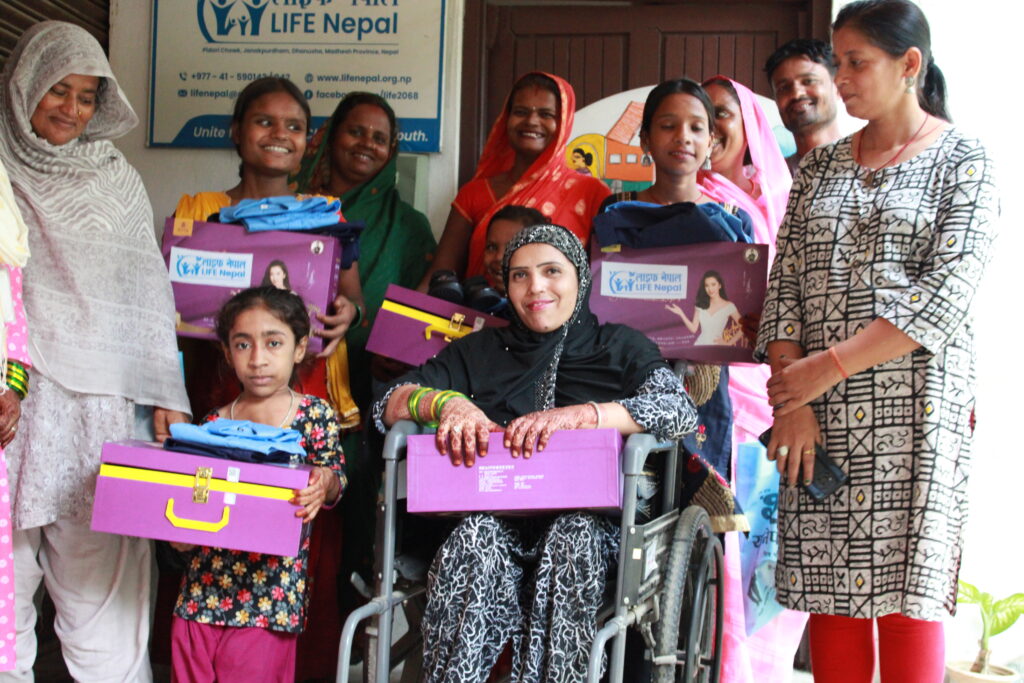
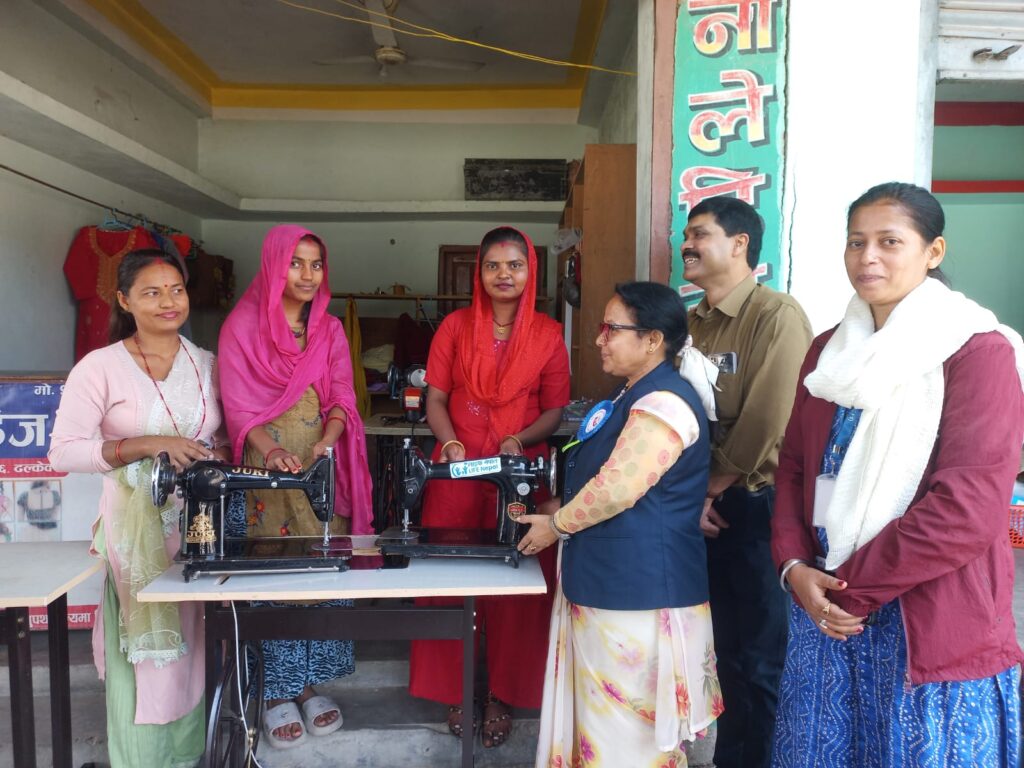
LIFE Nepal implemented the “Ending Child Marriage Initiative,” which played a significant role in advancing several of the United Nations’ Sustainable Development Goals (SDGs). These goals include SDG 1: No Poverty, SDG 2: Zero Hunger, SDG 3: Good Health and Well-being, SDG 4: Quality Education, SDG 5: Gender Equality, SDG 8: Decent Work and Economic Growth, SDG 10: Reduced Inequality, and SDG 16: Peace, Justice, and Strong Institutions.
Access
Lorem ipsum dolor sit amet, consectetur adipiscing elit. Ut elit tellus, luctus nec ullamcorper mattis, pulvinar dapibus leo. Suspendisse at magna suscipit, facilisis mauris et, ullamcorper elit. Nam efficitur ante quis porta interdum. Phasellus sed porta elit.
Challenges
Lorem ipsum dolor sit amet, consectetur adipiscing elit. Ut elit tellus, luctus nec ullamcorper mattis, pulvinar dapibus leo. Suspendisse at magna suscipit, facilisis mauris et, ullamcorper elit. Nam efficitur ante quis porta interdum. Phasellus sed porta elit.
- Lorem ipsum dolor sit amet, consec
- Nam efficitur ante quis porta interdum
- Suspendisse at magna suscipit
- Lorem ipsum dolor sit amet, consec
- Lorem ipsum dolor sit amet, consec
- Nam efficitur ante quis porta interdum
- Suspendisse at magna suscipit
- Lorem ipsum dolor sit amet, consec
a. Child Marriage Prevention
The incidence of child marriage has been steadily declining compared to previous years before 2023; however, it remained constant when compared to last year. The prevalence has reduced from 50% in 2019, 37% in 2020, 30% in 2021, and 24% in 2023 to 22% in 2024 and 2025. Child marriage remains higher among girls (69%) than boys (31%), but significant reductions have been achieved: a 6% decrease from 75% in 2024, 10% from 79% in 2023, and 24% from 93% in 2021.
Efforts to promote girls’ education have been notable, with 229 girls enrolling in +2, bachelor’s, or diploma programs within the project area this year. Additionally, 3 child marriage cases were successfully prevented, with 59 cases referred by girls’ champions and early warning clubs/networks to judicial committees or district-level women police cells. Parents, groups, institutions, religious leaders, and pressure groups played a critical role in facilitating these interventions.
b. Early Warning Clubs/Networks
Mobilized 240 members (120 girls, 120 boys) and implemented action plans for 16 clubs/networks.
c. Rupantaran Sessions
Reached 384 participants (361 women, 23 men), including 82 Dalits, 141 Janajati, 18 Muslims, and 143 Madhesi, focusing on child marriage and elopement.
d. Community Drama Awareness
Engaged 1,000 community members (400 men, 600 women), including 200 Dalits, 350 Janajati, 15 Muslims, and 435 Madhesi, through Kachahari Drama organized with youth/cultural clubs.
e. Campaigns & Celebrations
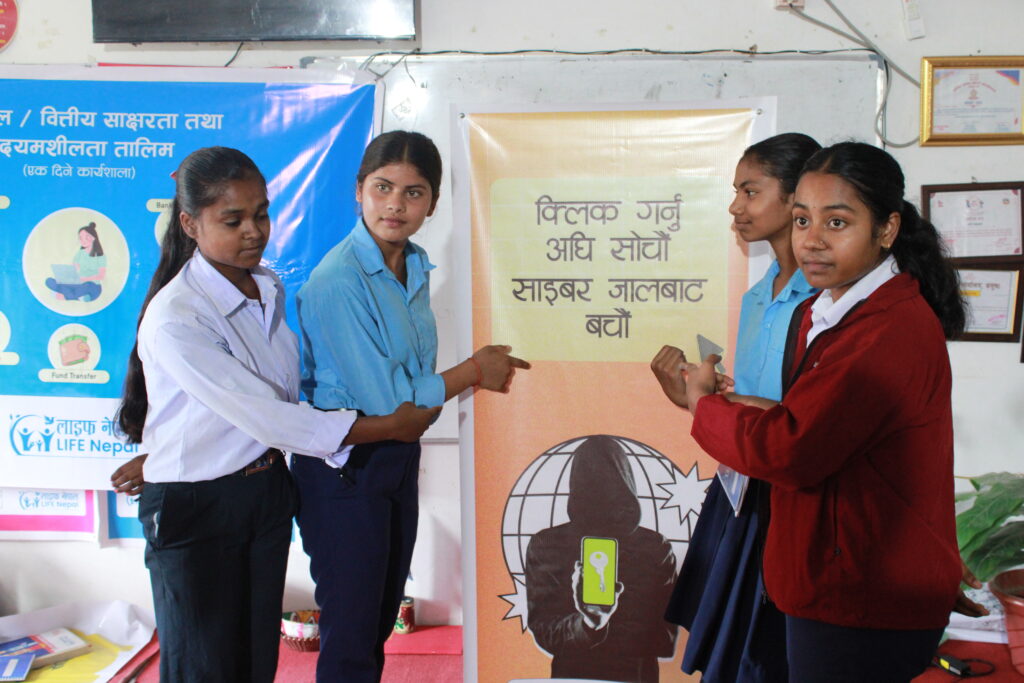
Reached 6,200 students (4,250 girls, 1,950 boys) through mass education awareness campaigns, and 673 participants joined celebrations for International Girls’ Day, 16 Days of Activism, Women’s Day, and Day Against Child Marriage.
f. Child Marriage Case Referrals
Successfully referred 86 cases to relevant authorities, including police and local governments.
g. Engagement with Influencers
Engaged 86 religious leaders, printing presses, caterers, and party palaces (82 men, 4 women) to reinforce their role in child marriage prevention.
h. Local Government Collaboration
Engaged 86 local government representatives (43 women, 43 men) to strengthen community interventions and promote strategies for child marriage-free communities.
The incidence of child marriage has been steadily declining compared to previous years before 2023; however, it remained constant when compared to last year. The prevalence has reduced from 50% in 2019, 37% in 2020, 30% in 2021, and 24% in 2023 to 22% in 2024 and 2025. Child marriage remains higher among girls (69%) than boys (31%), but significant reductions have been achieved: a 6% decrease from 75% in 2024, 10% from 79% in 2023, and 24% from 93% in 2021.
Efforts to promote girls’ education have been notable, with 229 girls enrolling in +2, bachelor’s, or diploma programs within the project area this year. Additionally, 3 child marriage cases were successfully prevented, with 59 cases referred by girls’ champions and early warning clubs/networks to judicial committees or district-level women police cells. Parents, groups, institutions, religious leaders, and pressure groups played a critical role in facilitating these interventions.
b. Early Warning Clubs/Networks
Mobilized 240 members (120 girls, 120 boys) and implemented action plans for 16 clubs/networks.
c. Rupantaran Sessions
Reached 384 participants (361 women, 23 men), including 82 Dalits, 141 Janajati, 18 Muslims, and 143 Madhesi, focusing on child marriage and elopement.
d. Community Drama Awareness
Engaged 1,000 community members (400 men, 600 women), including 200 Dalits, 350 Janajati, 15 Muslims, and 435 Madhesi, through Kachahari Drama organized with youth/cultural clubs.
e. Campaigns & Celebrations
Reached 6,200 students (4,250 girls, 1,950 boys) through mass education awareness campaigns, and 673 participants joined celebrations for International Girls’ Day, 16 Days of Activism, Women’s Day, and Day Against Child Marriage.
f. Child Marriage Case Referrals
Successfully referred 86 cases to relevant authorities, including police and local governments.
g. Engagement with Influencers
Engaged 86 religious leaders, printing presses, caterers, and party palaces (82 men, 4 women) to reinforce their role in child marriage prevention.
h. Local Government Collaboration
Engaged 86 local government representatives (43 women, 43 men) to strengthen community interventions and promote strategies for child marriage-free communities.
Project Area:
Eight Palikas i.e., Janakpur sub-metropolitan city, Dhanushadham, Mithila, Kshireshwarnath, Sabaila, Mithila Bihari, Sahid Nagar, Laxminiya of Dhanusha district in Madhesh Province, Nepal
Target Group
The programme has targeted youth, adolescent girls, young women, religious leaders, teachers, and local governments.
Programme Duration:
From May 2019 to June 2026
Related Programs
Global Girls’ Creating Change
August 17, 2024
No Comments
Empowered women prosperous Nepal
June 15, 2024
No Comments
Become An Volunteer For Save People
To drop us a line and keep in touch Contact LIFE Nepal team.